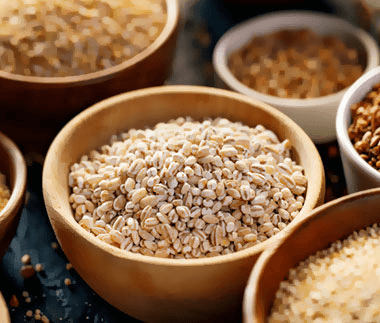
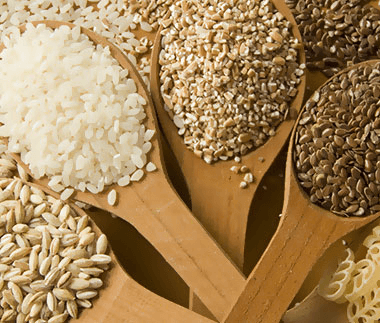
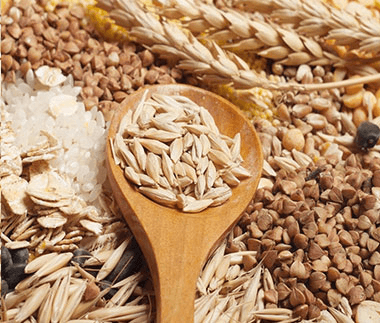
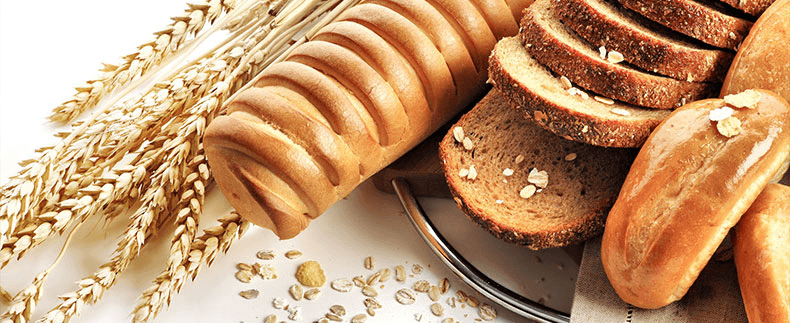
Grains are an essential category of crops, including wheat, rice, corn, barley, oats, and
millet. Wheat serves as a primary source for flour, used in making bread, noodles, and pastries. Rice is a
staple food in Asia, commonly prepared as rice dishes, sushi, and porridge. Corn is a versatile grain used in
food, feed, and industrial products. Barley is often used in brewing beer and animal feed. Oats are a healthy
breakfast choice, used to make oatmeal, oat flakes, and oat cookies. Millet is also used as a staple or feed
in certain regions. These diverse types of grains provide vital nutritional sources for human daily life.
-
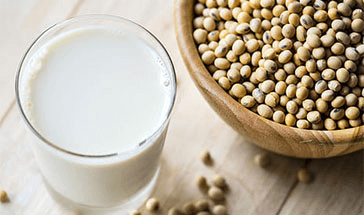
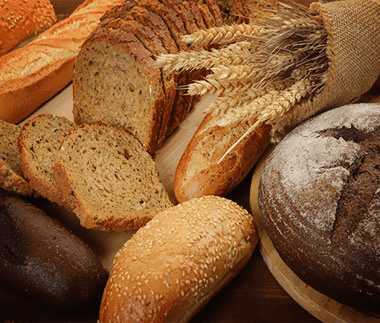
Grains can be used to create a variety of delicious foods, including
bread, noodles, rice dishes, oatmeal, and cornflakes, providing abundant energy and nutrition. Additionally,
grains are utilized in brewing beer, making feed, and serving as industrial raw materials, demonstrating
their versatile applications.
-
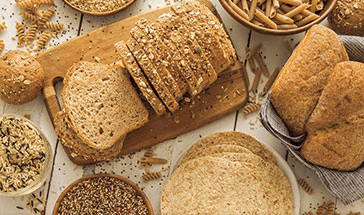
Whole grains and cereals are rich in complex carbohydrates, dietary
fiber, vitamins, and minerals, promoting a balanced diet and optimal bodily functions. Their low-fat,
high-fiber nature aids in weight management, cholesterol reduction, and supports cardiovascular health.
-
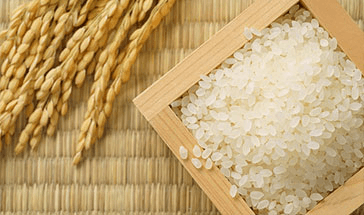
Through centuries of cultivation and innovation, grains and cereals have
become fundamental staples in global diets, contributing to food security and nutritional diversity. Ongoing
research and sustainable farming practices continue to enhance their cultivation and utilization, ensuring
their continued importance in human nutrition and agricultural economies.